

health and wellness
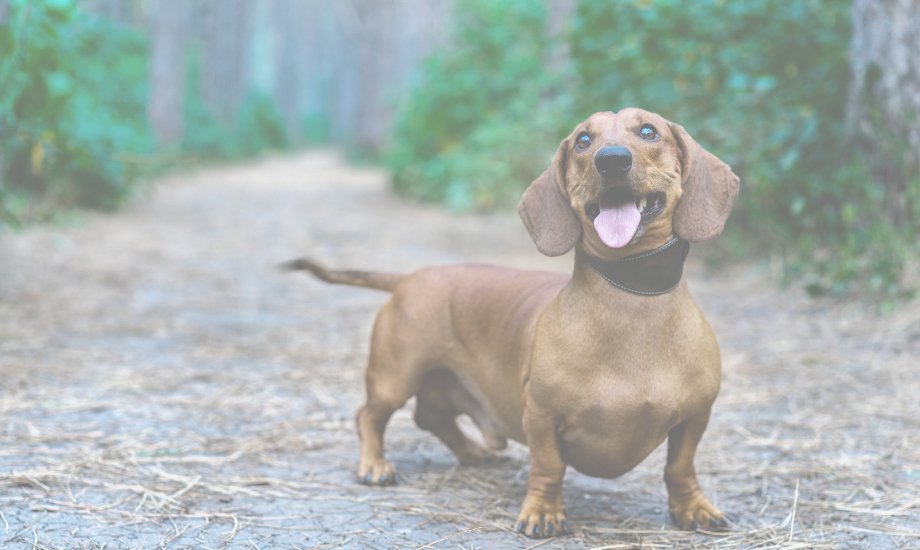

Chihuahua Dental Problems: What Every Pet Parent Needs to Know!
Did you know chihuahuas are more likely to have trouble with their teeth?
Learn more
The best DIY skunk shampoo for dogs
With the weather warming up, you may find yourself spending more time outdoors. There are so many advantages to getting outside with your pup in the spring and summer (plus it’s lots of fun!) but it also means you have a bigger chance of running into every dog owner’s worst enemy.
Learn more
A Commonly-Missed Part of your Dog's Health!
There’s one important part of your dog’s health that you might be neglecting: their mouth! Without proper prevention, your dog can suffer from dental disease. Dental disease can affect your dog’s teeth and gums, but can spread elsewhere. Did you know that February is Pet Dental Health Month? So let’s look at why dental health is so important for your pup!
Learn more
The Dangers Of Xylitol
There’s a very common sugar substitute used in the human industry which is extremely toxic for dogs: Xylitol. It’s a naturally occurring substance found in berries, mushrooms, oats, lettuce and other fruits and is poisonous to our buds - even small amounts (50mg per pound) of it can cause seizures, liver failure or worse. Xylitol is manufactured into a white powder that looks and tastes similar to sugar and has been used in pharmaceuticals, oral products and food. Xylitol is as sweet as sugar but contains only about ⅔ of the calories making it very popular in food products. This is one of the reasons why it is SO important to read ingredients on the foods we give our dogs (especially when giving them food that isn’t made specifically for pets). Popular Food Products That Can Or Do Contain Xylitol Peanut butter (Nuts ‘N More, P28, Go Nuts) Gum, candies & mints (Dentyne, Tic Tac, Orbit, Stride, Mentos, Glee Gum, Airheads) Pudding and dessert(Jell-o, Barry Farm) Ketchup (Health Garden, Nature’s Hollow) Chocolate (Bulletproof, the Raw Chocolate Co) Honey (Select brands) Instant coffee (Select brands) Our buds count on us to be responsible for the ingredients that go into their mouths. Xylitol is one of the ingredients we must watch out for and make sure to avoid. Helpful Tips Learn what ingredients are toxic to our buds and don’t bring them into your house; if you do keep them stored safely and out of reach from your dogs. Only feed your buds ingredient heavy foods that are from trusted companies that focus on manufacturing high quality pet products. If you suspect your dog has ingested a product containing xylitol, monitor their health closely and contact your vet or a pet poison health line. Keep In Mind The list of the popular food products listed above is non-exhaustive; make sure to keep a close eye on the products we feed our dogs at all times.
Learn more
How To Clean Your Dog's Ears
As pet parents, we know the importance of keeping our dog’s ears clean, as it helps prevent infection and damage to the ear or canal. We also know that it can be a daunting task getting in there... so we’re here to help you tackle the task! Step 1: Gather The Supplies Cotton ball/gauze/cotton pad Ear cleaning solution (vet-approved, or learn to make your own here). Look for a product which contains no antibiotics, steroids, alcohol, or toxic materials of any kind. Tweezers (if your dog has a lot of hair in their ears) Towel (for potentially messes, especially when your dog shakes their head) Treats (for rewards along the way, of course!) Avoid Q-TIPS or any tool with a pointed tip for the inner ear portion as this can push dirt further into the ear. Step 2: The ‘How-To’: Get your pup to sit, reward him with a treat and allow him to inspect the bottle of ear cleaner. If his ears aren't already erect, hold the ear flap upright and carefully fill the ear canal with the cleaning solution. Keeping the ear flap out of the way, gently massage the base of the ear with your fingers for about twenty seconds. Release the ear and allow your dog to shake his head if he desires. Hold a towel over his head to prevent solution from flying everywhere. Use a cotton ball or a cotton pad wrapped around your index finger to gently wipe the visible part of your dog's ear canal and outer ear. Use a cotton swab only if necessary and only on the visible portion of your dog's outer ear. Dry the ear by wiping any excess solution. Reward your pup with another treat and then repeat steps for the other ear. Helpful Tips Dogs’ ears are very sensitive so be gentle Keep treats handy to make the experience more pleasant while you’re cleaning Don’t overclean! That can lead to infection and irritation Contact your vet if you suspect your pup has an infection Keep In Mind Some dogs naturally have healthy, clean ears and may not need to have them cleaned often. Breeds with long, hanging ears, such as Basset Hounds and Cocker Spaniels, are among those with the highest risk of getting ear infections, but all breeds can develop them. The most important takeaway: keep your eyes on their ears! Do your best to regularly check in on any wax buildup.
Learn more
Are Essential Oils Toxic To Pets?
Essential oils are more popular than ever in the human health space these days, so it’s no surprise that pet parents are curious about their effects on animals too. But did you know that many oils can be harmful to our four-legged friends? Keep reading to find out which essential oils are considered safe, and most importantly, which are not… Oils That Are Harmful To Dogs Include (But Are Not Limited To) Cinnamon Citrus (d-limonene) Pennyroyal Peppermint Pine Sweet birch Tea tree (melaleuca) Wintergreen Ylang ylang Anise Clove Thyme Juniper Yarrow Garlic Oils That Are Harmful To Cats Include (But Are Not Limited To) Wintergreen Sweet birch Citrus (d-limonene) Pine Ylang ylang Peppermint Cinnamon Pennyroyal Clove Eucalyptus Tea tree (melaleuca) Thyme Oregano Lavender Symptoms Of Essential Oil Poisoning Include Difficulty breathing Drooling Fatigue Weakness Difficulty walking or stumbling Muscle tremors Pawing at the mouth or face Redness or burns on their lips, tongue, skin or gums Vomiting If you believe your furry friend has come into contact with a harmful essential oil (topically or orally), the key is to act fast. Call your veterinarian, or contact the Pet Poison Helpline at (800) 213-6680. * Keep in mind that cats and dogs are much more sensitive to scents – a dog’s sense of smell is somewhere between 1,000-10,000 times better than ours! What we may think is a mild scent is most likely overpowering to our companion animals. Even though the essential oil you’re using may not be toxic to a pet, it could definitely be overwhelming for them. Some Science Behind The Oils Essential oils are typically extracted from plants. They carry a powerful fragrance (or “essence”) of that plant. The oil’s molecules are highly reactive with the compounds in our own bodies, and in pets’ bodies as well. (If they didn’t react with our bodies, they wouldn’t have any therapeutic effect.) This is also why many essential oils and animals do not mix because their powerful reactions can mess up a pet’s natural body chemistry. Essential oils are typically advertised as natural remedies or even alternatives to traditional medicine, treating everything from skin conditions to anxiety. But remember that ‘natural’ doesn’t always mean safe. Also, essential oils are commonly included in natural cleaning products, so make sure to always read the labels before bringing products into your home that your bud can come into contact with! IMPORTANT DISCLAIMER: The information presented here is not meant to replace your vet’s advice or prescribed medications, but only to suggest additional options to explore, based on your dog’s condition.
Learn more
How To Help A Dog With Gas
If you’ve got a furry friend at home, you’ve probably experienced the awful stench that can come from being gassy! So, we’re here to help, starting with explaining some common reasons why your four-legged friend is suffering from flatulence, and how you can help! What Causes A Gassy Pup? Some common causes of flatulence in our canine friends can be: Eating too quickly and swallowing too much air Sudden change in diet Food allergies Obesity Underlying health problems such as inflammatory bowel disease or intestinal parasites (these are usually accompanied by other symptoms like vomiting, diarrhea, inappetance, or lethargy) Ways To Help A Gassy Dog If your dog is eating too fast, it can be helpful to buy a slow-feed food bowl that will force your pup to slow down. If you feed kibble or freeze-dried food, you can also try sprinkling their food into a rolled-up towel or other similar enrichment idea to slow them down. If you just recently changed your dog’s diet, or he/she got into something they don’t normally eat, it can cause some short-term gas problems. However, if flatulence has been an issue for quite some time, it may be worth switching up your dog’s food. Lastly, it’s important to check in with your vet to rule out other issues such as parasites or other gastrointestinal issues, and to make sure your dog’s weight is in a healthy range! Dog-Safe Home Remedies If your vet has given you the all-clear, you may want to look at adding in some DIY home remedies to help your gassy pal! Here are some of our top foods to help calm your pet’s tummy. Parsley, which can be added to their diet in dried, fresh, or essential oil form Foods that are high in enzymes such as papaya, melon, raw honey, or coconut water. Make sure to remove the seeds from papayas or melon first! Ginger can also help with an upset tummy Yogurt to add probiotics, but start small! Some dogs are quite sensitive to dairy Peppermint oil Fennel, dried or fresh Also you can add in healthybud’s Gut Booster as a treat or crumbled on your pup’s meal! This powerful formula features some of the enzyme-rich foods mentioned above (papaya and ginger root, to name two!) and also includes a prebiotic blend. A gassy stomach can be troubling for owners and dogs alike, since excessive gas can cause discomfort for our pup. IMPORTANT DISCLAIMER: The information presented here is not meant to replace your vet's advice or prescribed medications, but only to suggest additional options to explore, based on your dog's condition.
Learn more
What To Do If Your Dog Has Ticks
Did you know that May is Lyme Disease Awareness month? We also just dealt with a tick episode on our pups, so we figured what better time to shed light on this topic than now?! Here are some quick facts on these pesky (and potentially dangerous) critters. Ticks are part of the arachnid (spider) family, and require blood to live. They often use dogs as hosts, biting into the skin and latching on to survive. They’re active when it’s 4 degrees or warmer, which means that depending on the weather, ticks can be active anywhere from 9-12 months of the year! Although ticks prefer to spend time in areas with tall grass, you can even find them in your own backyard, so it is important to be vigilant wherever you and your pup are. If You Find A Tick On Your Dog, What Do You Do? Don’t panic! You can safely remove a tick from your pup, or if you are uncomfortable doing so can take your dog to the vet. If you are going to remove the tick yourself, you will want to use a pair of fine-tipped tweezers or a tool called a tick twister. Ticks attach to a host by inserting their mouthparts, which can lead to inflammation in the area of the bite, and some ticks produce a sticky substance to help them stay adhered. This means you do need to pull firmly when you remove the tick and it is normal to feel a small amount of resistance. Grasp the tick with tweezers as close to the head of the tick (near your dog’s skin) as possible. Most importantly, pull back with a straight motion without twisting as this can cause the tick’s mouthparts to break off and remain under the skin (gross, we know!) Place the tick in a container such as an empty pill bottle or a plastic bag, but do not crush it or drown it in alcohol if you would like to have it tested. *(Ticks typically require 24-48 hours of feeding before they can successfully transmit infections so prompt removal is important.)* Once you have removed a tick, you can bring it to your vet to see what kind of tick it is. Only certain types of ticks carry lyme disease, although ehrlichia and anaplasmosis are also tick-borne diseases that can affect our dogs. The deer tick (also known as the black-legged tick) is the most common tick to carry lyme disease. This same tick can also transmit anaplasmosis, which is less commonly transmitted by the brown dog tick. Ehrlichia is the third tick-borne disease most vets recommend testing for, and is transmitted by the brown dog tick, the American dog tick, and the lone star tick. Your vet may suggest sending the tick to an animal laboratory to also have the tick tested for disease. It’s important not to take a tick that you have removed from your pet to a human doctor for testing as this will skew data, as well as potentially put the lab at risk if the source is not disclosed. Your vet may suggest testing your dog’s blood at least 6 weeks after the tick bite. They will perform a 4DX test, which checks for heartworm (transmitted by mosquitoes, not ticks), lyme disease, anaplasmosis, and ehrlichia. Note: even if your dog is on flea and tick prevention, it’s important to check your dog over carefully, especially if they have been in an area where ticks are very active. When you are checking your dog for ticks, pay particular attention to their paw pads between their toes, in their groin area, in and around their ears and near their eyes, and around their tail. Speak to your veterinarian about what the best prevention options are for your dog based on their lifestyle and where you live. It is important to know that cats are quite sensitive to the ingredients in many tick prevention medications. We hope this makes you feel more prepared to tackle the beautiful summer weather with your bud! Don’t forget to protect and check yourself for ticks, too - they like humans and doggos alike!
Learn more
Top 5 Wellness Tips For Dogs
October is Pet Wellness month and since our goal at Healthybud is to help our pets thrive through natural ingredients, pet wellness is a huge focus for us! We’ve compiled our top 5 ways to incorporate wellness in your pet’s life. Check them out below! 1. You Are What You Eat! Nutrition is the core of your dog’s health! It’s the building block for wellness, and that’s one of the reasons we focus so much on including superfoods & unique ingredients in all our products. Vitamins, minerals, and antioxidants all contribute to a healthy immune system, which is what helps fight off illness. A healthy digestive tract is also necessary for proper absorption of vitamins and minerals, so gut health is key! 2. Weight Matters When our pets are overweight, it puts unnecessary stress on their joints. It can be hard not to overfeed your pup, but keeping them lean is really the kindest thing for them! Not only can pet obesity lead to joint problems, it can also contribute to diabetes, Cushing’s disease, heart failure, decreased energy, cancers, and more. Treats should not equal more than 10% of your dog’s daily diet, and remember - not all treats are created equal! Look carefully at the ingredients included, and whether they provide health benefits to your pup. 3. Regular Checkups Are Necessary We’re advised to see our doctor once a year for an annual checkup, and the same applies to our pets! It is, in fact, even more important for our animals since they age much faster than us. It’s actually recommended that dogs & cats see a vet twice a year because of this. Regular exams allow for a good baseline of what is normal for your dog when they are feeling well and in good health, so issues can be spotted quicker should they develop. Your vet can also recommend preventative treatments to help keep your pup healthy for many years! 4. Dental Health Affects Overall Health Poor dental health can lead to much more than just bad breath! The AVDC (American Veterinary Dental Clinic) has said that gum disease is the most common condition occurring in dogs and cats, but the good news is that it’s entirely preventable! Having a dental procedure done by your vet may be required if there are more advanced issues. It’s important to practice regular dental hygiene at home - just like you brush your teeth regularly, your dog needs their teeth brushed too! Look for products that have been approved by the Veterinary Oral Health Council for the prevention of tartar and/or plaque. This means these products have been tested and proven to work. You can also check out our previous blogs on dental health for more tips. 5. Quality Time Together Is Important Our dog’s needs go beyond just food & physical exercise! They need emotional and mental fulfillment, too. Spending quality time together to meet all of their needs is crucial to a healthy pet! This includes regular exercise, mental stimulation through enrichment activities like puzzles or toys, trick training, cuddling or giving scratches, and grooming (including cleaning their ears, trimming their nails, and brushing their coat). It’s also key to your dog’s overall wellbeing that they are well-trained as this can avoid issues with other people or dogs, the need to re-home a pet, or even behavioural euthanasia. Making sure our dogs have their needs met in all aspects of wellness can lead to a much longer and more fulfilling life - something we all want for our pets! Stay healthy, stay happy, stay curious #healthygang! Lots of love, The healthybud team
Learn more